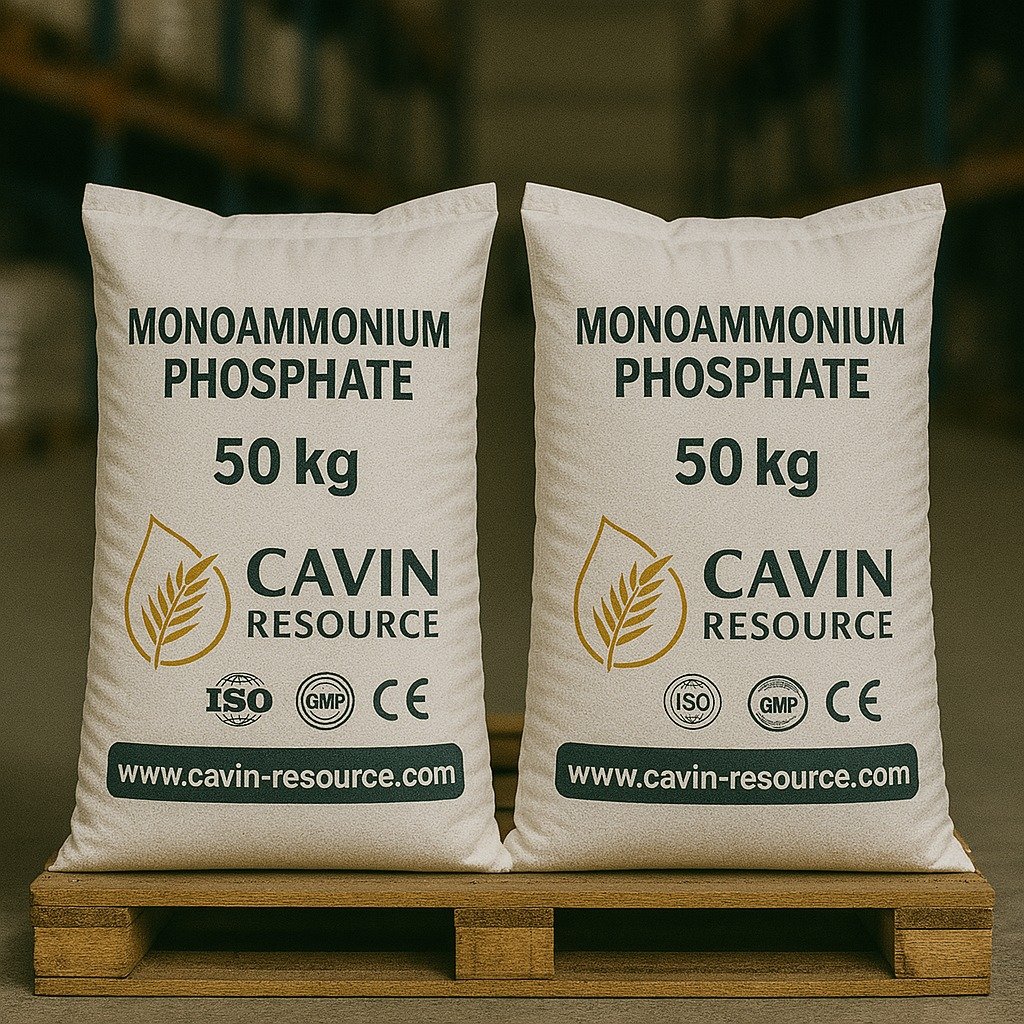
Monoammonium phosphate (MAP represents a highly concentrated fertilizer prized for its distinct blend. This granular material, typically referred to as 11-52, delivers website substantial amounts of P2O5 – essential for root development – alongside a moderate level of ammonium nitrogen. The lack of potassium results in to its specialized usage in farming where P requirements are most important.
The Represents 11-52-0 Fertilizer? A Comprehensive Guide
11-52-0 blend is a unique form of mixture primarily used to promote phosphorus absorption in crops. The numbers, 11-52-0, show the percentage by weight of N, phosphorus, and K2O, respectively. Essentially, it contains 11% nitrogen, a substantial 52% phosphorus, and 0% K. This high-phosphorus content makes it particularly valuable for establishing new plants and correcting P deficiencies in the soil. While it offers significant benefits, remember that it lacks potassium, so a balanced fertilizer may be needed for overall crop health.
NPK 11-52-0: Advantages and Uses in Farming
MAP 11-52-0, or MAP , is a valuable fertilizer widely utilized in contemporary agricultural practices . Its distinctive composition – containing 11% ammonia and 52% P2O5 – provides critical nutrients for plant growth and progress. Growers often employ MAP 11-52-0 to boost initial development, encourage early flowering , and improve overall yield .
- Promotes vigorous root systems.
- Crucial for early vegetation development.
- Facilitates in producing high-quality harvests.
Releasing the Possibility of MAP Fertilizer Product
Monoammonium Phosphate offers a pathway for increasing crop output. Its high concentration of both phosphorus and nitrogenous compounds makes it the ideal choice for many producers, particularly in initial stages of growth . Strategic use of monoammonium phosphate can lead to stronger seedling establishment and improved total crop performance.
Monoammonium Phosphate Application
Monoammonium phosphate (11-52-0) is a key nutrient source renowned for its ability to boost plant yields . This unique mixture delivers a substantial concentration of P - vital for root growth and vigorous growth - alongside a decent amount of nitrogenous for robust leaf growth . Using MAP correctly can lead to considerable advantages in aggregate agricultural health .
This Phosphate Fertilizer {11-52-0: Your Concerns Answered
Many producers have concerns about MAP, particularly regarding its make-up of 11-52-0. Essentially, this represents the percentage of total nitrogen, phosphorus pentoxide, and potassium oxide respectively. It’s a highly easily dissolved source of phosphorus, crucial for root growth and flowering. Below are some common topics:
- What are the benefit of using MAP? It offers a concentrated dose of phosphorus, which can be particularly helpful in soils with low levels of phosphorus.
- How is it best to apply MAP? It’s typically spread and incorporated the soil, or used in band applications systems.
- Can combine MAP with other products? While mixable with some, thoroughly check suitability to avoid issues.
Note that a soil analysis is always important to assess the specific nutrient needs of your crops.